
Do you have convincing writing skills? Can you write something that helps companies increase their sales? If yes, then you can earn money by writing attractive marketing strategies for any company. This convincing practice is called copywriting. As a copywriter, I have written many copies and have earned a decent amount of money from this skill. If you are looking for a skill that you can learn from home and potentially turn it into a freelance income source, then Copywriting is worth considering in 2026. This article will help you find out How to Learn Copywriting and Start Earning Money in 2026.
To convince people to take action towards your product or services, some persuading words are required for every business. Copywriting is a skill that communicate with prospective customers and persuade them to buy a product, sign up for an email list, booking a service, or download an app.
There is no necessity of any physical degree to start copywriting as you can start your own. Regular practice, better knowledge of target audience, and a strong portfolio demonstrating your ability is enough to approach clients and start freelancing in copywriting.
This step-by-step guide will help you from learning to build strong portfolio and lastly, get clients for freelancing in 2026.
What Is Copywriting?
Copywriting is an action of writing attractive and encouraging words about any product or service to motivate people buy or take those services.
The action be related to:
- Buying a product
- Signing up for a newsletter
- Clicking an advertisement
- Booking a consultation
- Downloading an application
- Registering for an event
- Contacting a business
The main focus of a copywriter is to write the benefits of the product or service. For example, a pair of shoes is lightweight and provides support. A copywriter writes it as below:
“Run longer and stay comfortable with lightweight shoes designed for your everyday training.”
The second sentence is more focused on the customer’s needs and benefits. That is the basic idea behind effective copywriting.
Also Read: How to Create a Monthly Budget in 2026
Why Learn Copywriting in 2026?
To grab people’s attention and increase their sales, businesses are racing towards maximum visibility and conversion on digital platforms. All of these require effective communication.
This provides various opportunities for people who can write persuasive copy for businesses.
Copywriting is a low-investment business and can be started in less time. A computer with an internet connection, along with writing persuasive copy are must for a copywriting business.
However, it is important to understand that learning copywriting does not guarantee immediate income. Like any freelance skill, earning money usually requires a combination of skill development, portfolio building, marketing, client communication, and consistent effort.
Copywriting vs. Content Writing: How to Learn Copywriting and Start Earning Money in 2026
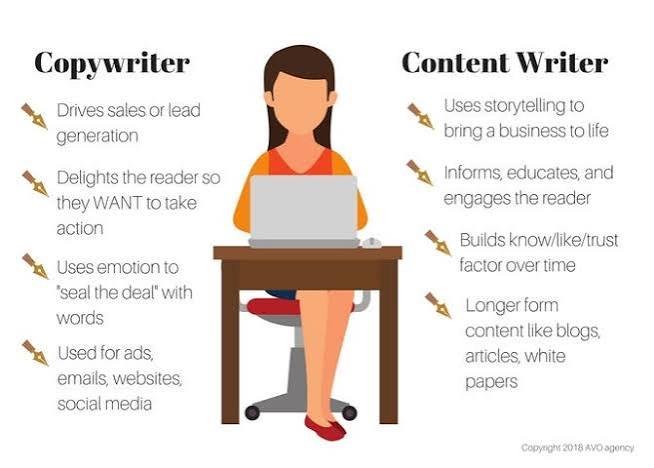
Many beginners can’t differentiate between copywriting and content writing, but their primary purposes are different to each other.
Content writing is generally focused on providing information, education, or entertainment to an audience. Common examples are Blog posts, guides, tutorials, and informational articles.
Copywriting is the act of encouraging people to buy something.
For example:
Content writing:
“5 Benefits of Regular Exercise”
Copywriting:
“Ready to Feel More Energetic? Start Your Fitness Journey Today.”
The two fields can overlap, and many freelance writers eventually offer both services.
Skills You Need to Become a Copywriter: How to Learn Copywriting and Start Earning Money in 2026
You do not have to be a naturally gifted writer to become a copywriter. You can develop the required skills through study and practice.
1. Persuasive Writing
The most important skill is understanding how to communicate value clearly.
Good copy answers questions such as:
- What problem does the customer have?
- How does the product solve it?
- Why should the customer care?
- What makes this product different?
- What should the customer do next?
2. Customer Research
Successful copywriters do not simply write what sounds good to them. They research the people they are writing for.
You should understand the customer’s problems, goals, concerns, preferences, and motivations.
The better you understand your audience, the easier it becomes to write copy that feels relevant.
3. Headlines
Your headline is often the first thing people see.
A strong headline should communicate a clear benefit or create enough curiosity to encourage the reader to continue.
For example:
Weak:
“Online Marketing Services”
Stronger:
“Get More Customers With a Simple Online Marketing Strategy”
4. Storytelling
People connect with stories. Learning how to use simple storytelling techniques can make your copy more memorable and engaging.
5. Editing
Writing is only part of copywriting. Editing is equally important.
After writing your first draft, remove unnecessary words, improve clarity, correct mistakes, and make sure every sentence serves a purpose.
How to Learn Copywriting and Start Earning Money in 2026: Step-by-Step Guide
You do not need to spend months collecting courses without practicing. A better approach is to learn and apply what you learn at the same time.
Step 1: Understand the Basics
Start by learning fundamental copywriting concepts such as:
- Headlines
- Benefits vs. features
- Calls to action
- Target audiences
- Customer pain points
- Value propositions
- Email copy
- Landing page copy
- Advertising copy
Spend your first few weeks understanding how persuasive writing works.
Step 2: Study Successful Copy
Find advertisements, websites, product pages, emails, and sales pages from established businesses.
Study their headlines and ask:
Why did they choose these words?
Look at how they introduce a problem, present a solution, explain benefits, build trust, and encourage action.
Do not simply copy their work. Instead, analyze the structure and writing techniques.
Step 3: Practice Every Day
The fastest way to improve is to write.
Choose a product or service and write:
- Five headlines
- Three calls to action
- One short advertisement
- One product description
- One promotional email
You can complete these exercises even when you do not have a client.
Step 4: Learn One Type of Copywriting First
Copywriting includes many different services. Beginners often make the mistake of trying to master everything at once.
Instead, choose one area initially.
For example, you could specialize in:
- Email copywriting
- Website copywriting
- Social media advertising
- Product descriptions
- Landing pages
Once you become comfortable, you can expand your services.
How to Build a Copywriting Portfolio Without Experience
One of the biggest problems beginners face is the classic question:
“How can I get clients when I have no experience?”
The answer is to create sample work.
You do not necessarily need previous clients to demonstrate your ability.
Choose three to five imaginary businesses and create sample projects for them.
For example, you could create:
- A landing page for a fitness coach
- An email campaign for an online store
- Facebook ad copy for a local restaurant
- Product descriptions for an e-commerce business
- Website homepage copy for a digital agency
Clearly label these as sample projects.
Your portfolio should demonstrate your ability to understand a business, identify its audience, and write copy that communicates benefits clearly.
How to Find Your First Copywriting Client
Once you have some sample work, start looking for potential clients.
Freelance Platforms
Freelance marketplaces can be useful places to find writing projects. Create a professional profile, clearly describe your services, and upload relevant samples.
Do not send the same generic proposal to every client. Read the project description carefully and explain how you can help.
Direct Outreach
You can also contact businesses directly.
Look for small businesses whose websites, emails, advertisements, or product descriptions could be improved.
Instead of simply saying:
“I am a copywriter. Do you need my services?”
you could identify a specific problem and offer a useful suggestion.
For example:
“I noticed your homepage explains your services clearly, but the main headline doesn’t immediately communicate the customer benefit. I have a few ideas that could make the message more focused.”
The goal is to start a conversation rather than immediately pressure someone into buying your service.
Networking
LinkedIn, online communities, professional groups, and personal connections can also help you find opportunities.
Tell people clearly what service you provide and what type of businesses you want to work with.
How Much Can a Copywriter Earn?
Copywriting income varies significantly.
A beginner may start with smaller projects while building experience. As your skills, portfolio, reputation, and ability to produce measurable results improve, you may be able to charge higher project fees or retainers.
Your income can depend on factors such as:
- Your niche
- Type of copywriting
- Quality of your portfolio
- Client budget
- Experience
- Location
- Ability to demonstrate results
- Number of clients
Instead of focusing only on an income target, beginners should focus on developing a valuable skill and learning how to consistently find and retain clients.
How AI Is Changing Copywriting in 2026
Artificial intelligence has changed the writing industry considerably.
AI tools can help copywriters with brainstorming, research organization, outlines, variations, and editing. However, simply generating AI-written text is not the same as being a professional copywriter.
Businesses still need people who understand their customers, brand voice, positioning, offers, and marketing objectives.
Therefore, learn to use AI as a productivity tool, not as a replacement for your thinking.
Your competitive advantage should come from understanding people and businesses better and producing copy that is specific, useful, persuasive, and aligned with the client’s goals.
Common Copywriting Mistakes Beginners Should Avoid
Writing About Features Instead of Benefits
Customers generally care about what a product can do for them.
Do not only describe features. Explain why those features matter.
Trying to Sound Too Complicated
Good copy is usually clear and easy to understand.
Avoid unnecessary jargon and complicated sentences.
Ignoring the Target Audience
A message written for teenagers will probably sound different from one written for corporate executives.
Always know who you are writing for.
Focusing Only on Writing
Copywriting is more than grammar and vocabulary.
You also need to understand marketing, customers, offers, psychology, and business goals.
Expecting Instant Income
Learning copywriting is not a shortcut to guaranteed money.
You need practice, patience, a portfolio, client outreach, and continuous improvement.
A Simple 30-Day Copywriting Learning Plan
If you want a practical starting point, follow this simple plan.
Week 1: Learn the Fundamentals
Study copywriting basics, headlines, benefits, calls to action, customer psychology, and different types of copy.
Week 2: Analyze and Rewrite
Study advertisements, landing pages, emails, and product pages. Rewrite them in your own words to practice different approaches.
Week 3: Create Your Portfolio
Create three to five strong sample projects for businesses in a niche you understand.
Week 4: Start Looking for Clients
Create your freelance profiles, publish your portfolio, contact potential clients, apply for relevant projects, and improve your proposals based on responses.
By the end of 30 days, you may not be an expert, but you can have a foundation, practical samples, and a clear path toward getting your first paid project.
Final Thoughts
Copywriting can be a valuable digital skill to learn in 2026, especially if you enjoy writing, marketing, psychology, and understanding how businesses communicate with customers.
You do not need expensive equipment or a formal degree to begin. Start with the fundamentals, practice regularly, study successful marketing campaigns, create a portfolio, and gradually start approaching potential clients.
Remember that learning copywriting and earning money from copywriting are two different stages. First, develop the skill. Then learn how to market yourself and find clients.
The people who succeed are not necessarily those who write the most complicated sentences. They are often the ones who understand the customer, communicate the value clearly, and consistently solve problems for businesses.
So, if have interest in copywriting, start today. Learn the basics, write something every day, build your portfolio, and take your first step toward becoming a freelance copywriter in 2026.